Telehealth
Therapy from your own couch, anywhere in Oregon
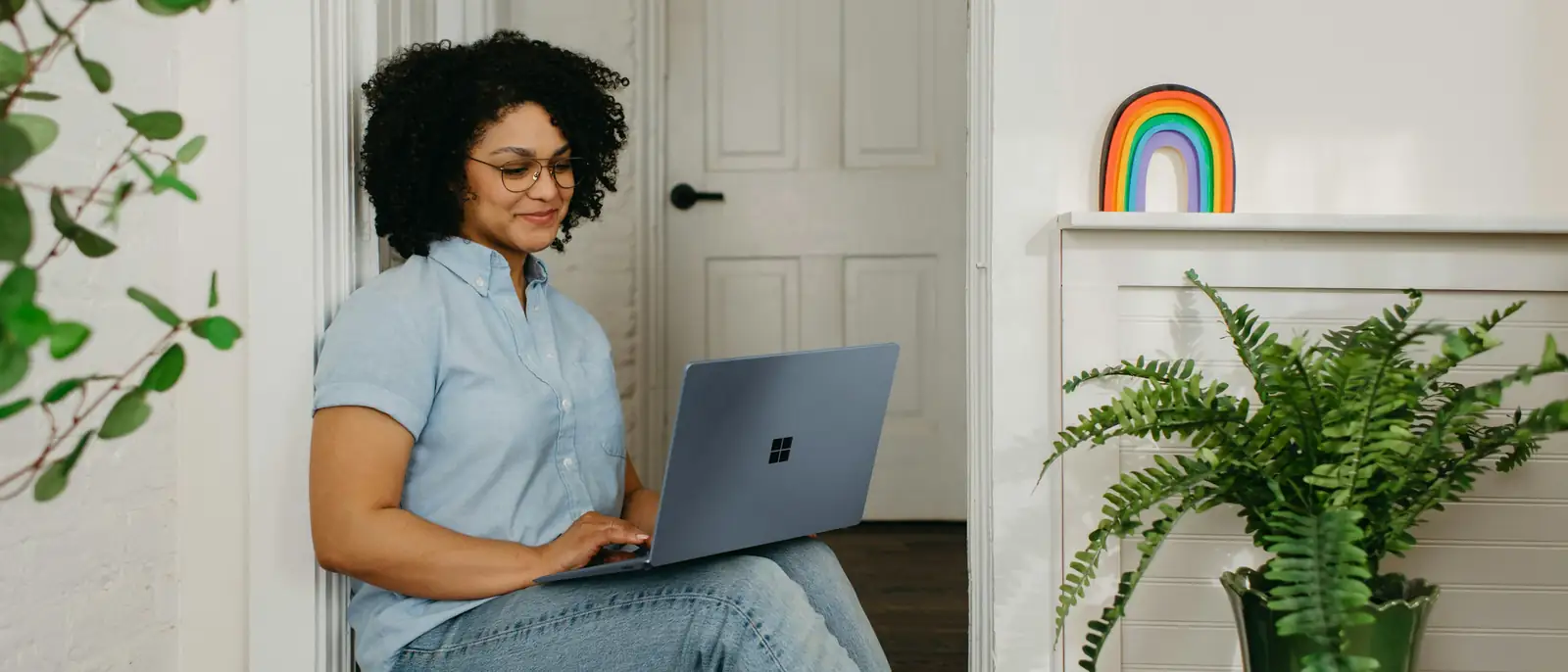
Same clinicians, same insurance, no drive across the river at 5pm. About half of our sessions now happen by video.
- From Astoria to Ashland
- Nothing to install
- Saturday morning sessions
In short
Every Willowmere clinician offers secure video sessions to clients who are physically in Oregon during the session. Video therapy is billed exactly like in-person therapy, and all of our in-network plans cover it. You join from a link in your browser, with no app or account needed.
How a video session works
- The day before, you'll get a reminder by text or email with a private session link.
- A few minutes before your time, open the link on a laptop, tablet or phone and test your camera and microphone.
- You'll wait in a virtual waiting room until your clinician lets you in, right on time.
- At the end, your clinician confirms your next appointment, and you can pay or update your card in the client portal.
What you need
- A device with a camera: a laptop or tablet works best, but a phone is fine.
- A steady internet connection. If video drops, your clinician will call you to finish by phone.
- A private space where you can talk freely. A parked car counts, and it's more common than you'd think.
- To be in Oregon during the session (see below).
Why you need to be in Oregon
Licensing follows the client's location, not the therapist's. Our clinicians are licensed in Oregon, so during each session you need to be physically in the state, whether that's at home in Bend, at work in Salem or visiting family in Coos Bay. If you'll be traveling out of state, tell your clinician ahead of time and we'll pause sessions or plan a check-in that stays within the rules. Marcus Bell is also licensed in Washington and can see clients there.
Privacy
We use a HIPAA-compliant telehealth platform with encrypted video, and we have a business associate agreement with the provider. Sessions are never recorded. Your clinician will always be in a private office with the door closed and headphones on.
On your end, headphones and a white-noise app outside the door help a lot. Some clients use a code word with their clinician if someone walks in.
When in person might be better
Video works well for most things we treat. We usually suggest in-person sessions for psychological testing, for some couples and family work, and when someone doesn't have a private space at home. You can switch between the two whenever you like.
Questions
About telehealth
Does insurance cover video therapy?
Yes. Under Oregon law, health plans must cover telehealth mental health services the same way as in-person services, and all of our in-network plans do. Your copay is usually the same.
Is video therapy as effective as in person?
For most conditions, research shows similar results, especially for anxiety, depression and PTSD. What matters most is the relationship with your clinician, and that builds well on video.
Can teens do telehealth?
Yes, with a private space at home. For the first session, a parent or caregiver joins for part of the time. Our DBT teen groups are in person.
What if my connection drops?
Your clinician will call the phone number on file within a minute or two, and you can finish the session by phone or reconnect.
Start from wherever you are.
Book a free 15-minute call by phone. We'll match you with a clinician who has video openings that fit your week.